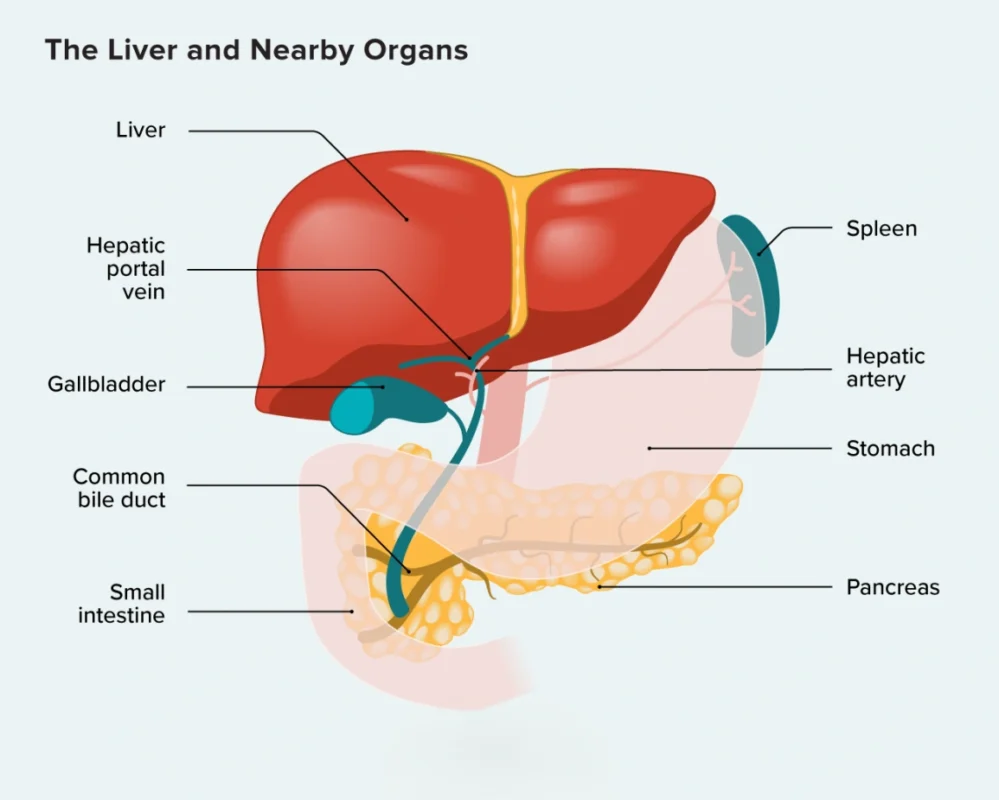
The liver is one of the most important organs in the body, responsible for functions such as detoxification, metabolism, digestion, and blood regulation. Various liver diseases can affect the normal function of this organ and may lead to complications such as portal hypertension, internal bleeding, or fluid buildup.
Interventional Radiology offers minimally invasive treatments for liver-related diseases using advanced imaging technologies such as ultrasound, CT scans, and fluoroscopy. These procedures allow specialists to treat complex liver conditions without major surgery.
Our department provides specialized treatments including:
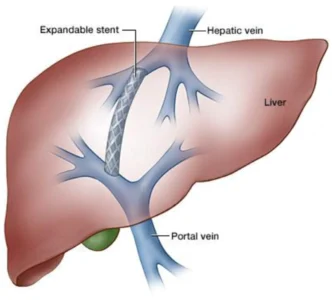
TIPSS is a minimally invasive procedure used to treat portal hypertension, a condition where blood pressure in the portal vein becomes dangerously high due to liver disease.
During the procedure, a small channel is created within the liver using a stent. This channel allows blood to flow more easily through the liver, reducing pressure in the portal vein.
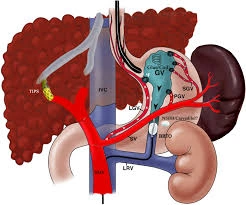
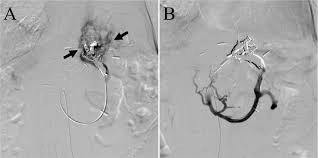
BRTO is a specialized procedure used to treat gastric varices, which are enlarged veins in the stomach caused by portal hypertension.
A catheter with a balloon is inserted into a vein and positioned near the abnormal veins. The balloon temporarily blocks the vein while a special medication is injected to close the varices.
Benefits
Effective control of gastric variceal bleeding
Minimally invasive procedure
Reduced risk of recurrent bleeding
Short recovery time
Splenic Artery Embolization
What is Splenic Artery Embolization?
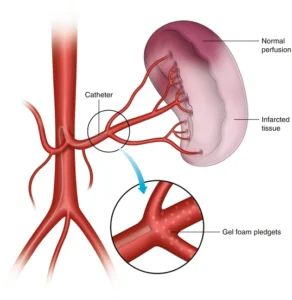
Splenic artery embolization is a procedure that reduces blood flow to the spleen by blocking a portion of the splenic artery. It is commonly performed to manage complications related to liver disease and portal hypertension.
Conditions Treated
Hypersplenism (overactive spleen)
Portal hypertension complications
Trauma-related splenic bleeding
Certain blood disorders
Benefits
Minimally invasive treatment
Preserves spleen function
Reduced bleeding risk
Shorter recovery period
Variceal Embolization
What is Variceal Embolization?
Variceal embolization is a procedure used to treat varices, which are enlarged veins that develop due to high pressure in the portal vein. These veins can rupture and cause life-threatening bleeding.
During the procedure, a catheter is inserted into the affected vein and embolic materials are used to block the abnormal blood vessels.