Non-vascular procedures in Interventional Radiology involve image-guided diagnostic and therapeutic treatments that do not directly target blood vessels. These procedures are performed using imaging technologies such as ultrasound, CT scan, or fluoroscopy to accurately guide needles or catheters to the targeted area of the body.These minimally invasive techniques allow doctors to diagnose diseases, drain infections or fluid collections, and place catheters or stents without the need for major surgery.
Our non-vascular procedures include:
Complex Biopsies
FNAC (Fine Needle Aspiration Cytology)
Drainage Procedures
Catheter Placement
Sclerotherapy
PTBD with Stenting
PCN with DJ Stenting
These treatments help provide accurate diagnosis, relieve symptoms, and support recovery with minimal discomfort.
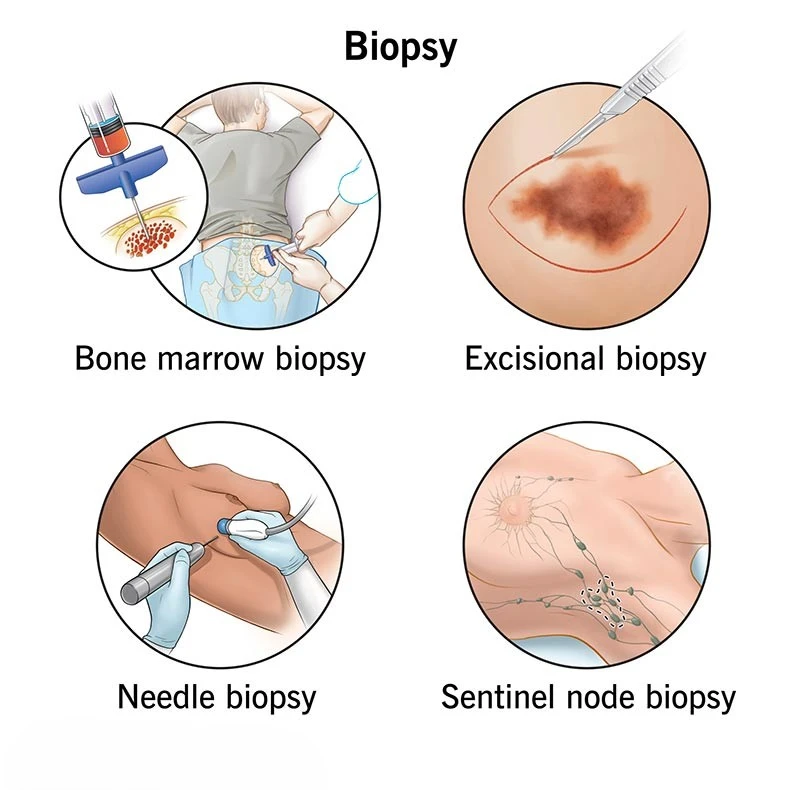
Complex Biopsies
What is a Biopsy?
A biopsy involves removing a small sample of tissue from the body for laboratory examination to diagnose conditions such as tumors, infections, or inflammatory diseases.
Image-Guided Biopsy
Interventional radiologists perform biopsies using ultrasound or CT guidance to precisely target abnormal areas while avoiding surrounding healthy tissue.
Benefits
Highly accurate diagnosis
Minimally invasive procedure
Reduced complications
Quick recovery
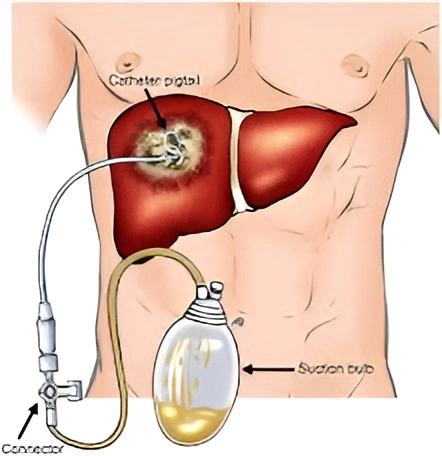
Drainage Procedures
What are Drainage Procedures?
Drainage procedures are used to remove infected fluid, pus, or abnormal fluid collections from the body.These collections may occur due to infections, surgery, or underlying diseases.
Common Drainage Treatments
Abscess drainage
Pleural fluid drainage
Abdominal fluid drainage
Image guidance ensures precise catheter placement for safe and effective drainage.
FNAC (Fine Needle Aspiration Cytology)
What is FNAC?
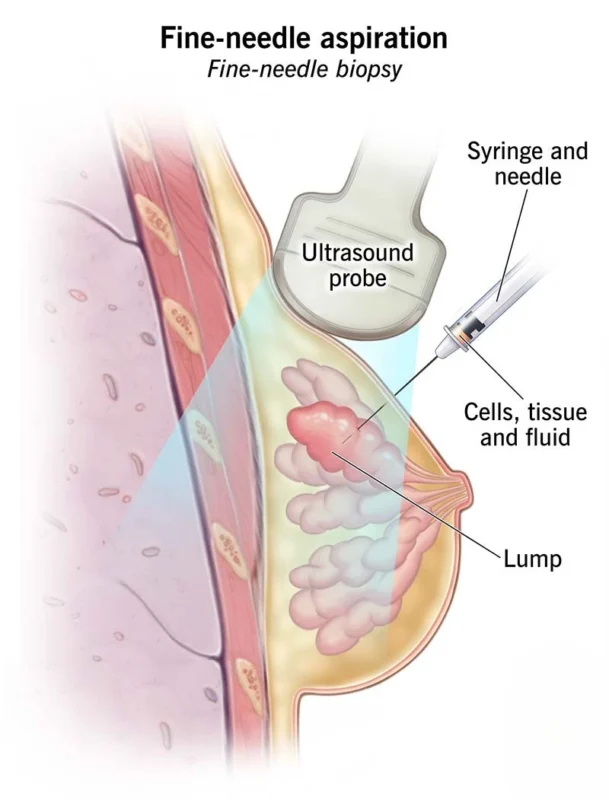
Fine Needle Aspiration Cytology is a diagnostic procedure where a thin needle is used to extract cells from a lump or mass for microscopic examination.
It is commonly used to evaluate:
Thyroid nodules
Lymph nodes
Breast lumps
Soft tissue masses
Advantages
Quick outpatient procedure
Minimal discomfort
Accurate diagnostic information
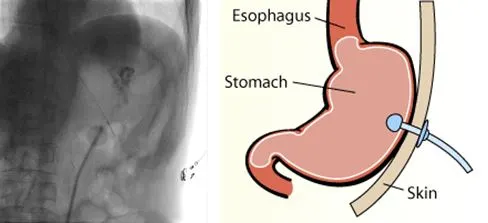
Catheter Placement
What is Catheter Placement?
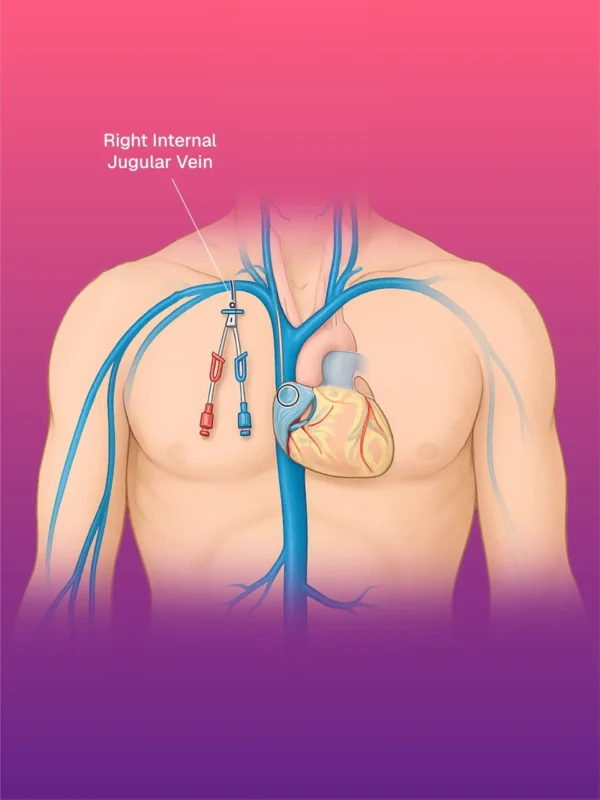
Catheter placement involves inserting a thin flexible tube into the body to allow drainage of fluids or administration of medications.These catheters may be placed in different organs or cavities depending on the patient’s medical condition.
Benefits
Minimally invasive
Accurate placement with imaging guidance
Effective treatment of fluid collections
Sclerotherapy
What is Sclerotherapy?
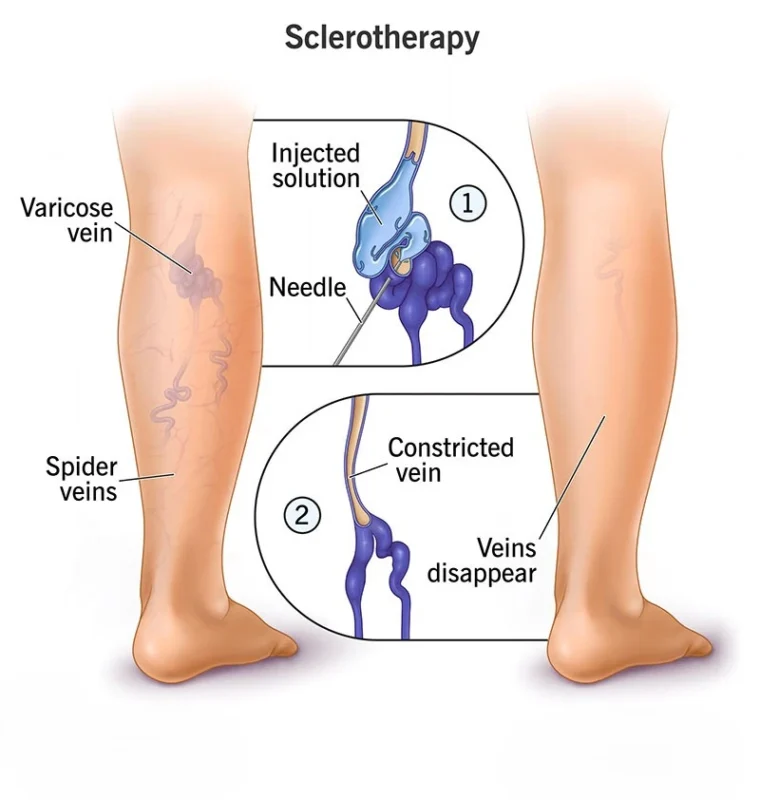
Sclerotherapy is a treatment where a special medication is injected into abnormal cysts or cavities to shrink them and prevent recurrence.
This procedure is commonly used for:
Cysts
Fluid collections
Certain vascular malformations
The injected solution causes the abnormal cavity to collapse and heal.
PTBD with Stenting
What is PTBD?
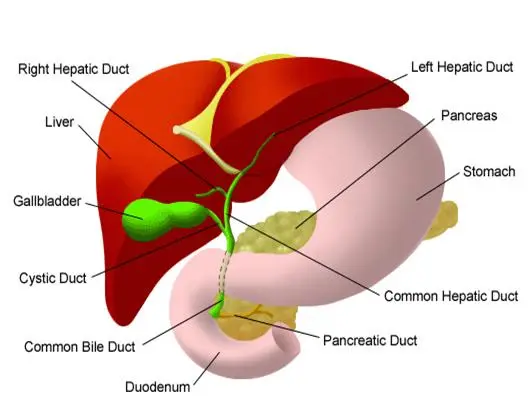
Percutaneous Transhepatic Biliary Drainage (PTBD) is a procedure used to treat blockage in the bile ducts, which carry bile from the liver to the intestine.A small catheter is inserted through the skin into the bile duct to drain bile and relieve obstruction. A stent may also be placed to keep the bile duct open.
Conditions Treated
Bile duct obstruction
Liver or pancreatic tumors
Gallbladder disease
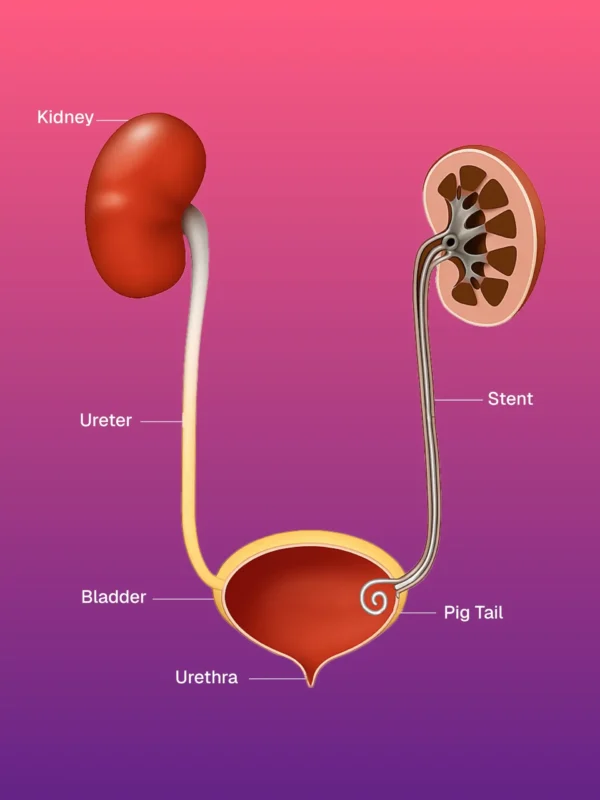
PCN with DJ Stenting
What is PCN?
Percutaneous Nephrostomy (PCN) is a procedure used to drain urine directly from the kidney when the normal urinary pathway is blocked.
DJ Stenting
A Double-J (DJ) stent may be inserted into the ureter to allow urine to flow normally from the kidney to the bladder.
Conditions Treated
Kidney stones
Ureter blockage
Tumors affecting the urinary tract
Advantages of Non-Vascular Interventional Procedures