Interventional Radiology offers advanced minimally invasive treatments for cancer using image-guided technology such as CT scans, ultrasound, and fluoroscopy. These procedures allow doctors to precisely target tumors while minimizing damage to surrounding healthy tissues.Compared with traditional surgery, interventional oncology procedures typically involve smaller incisions, less pain, shorter hospital stays, and faster recovery times.
Our department provides several specialized cancer treatment procedures including:
Tumor Ablation
Transarterial Chemoembolization (TACE)
Transarterial Radioembolization (TARE)
Portal Vein Embolization (PVE)
Pre-Surgical Embolization
These treatments are often used alone or in combination with surgery, chemotherapy, or radiation therapy depending on the patient’s condition.
Tumor Ablation
What is Tumor Ablation?
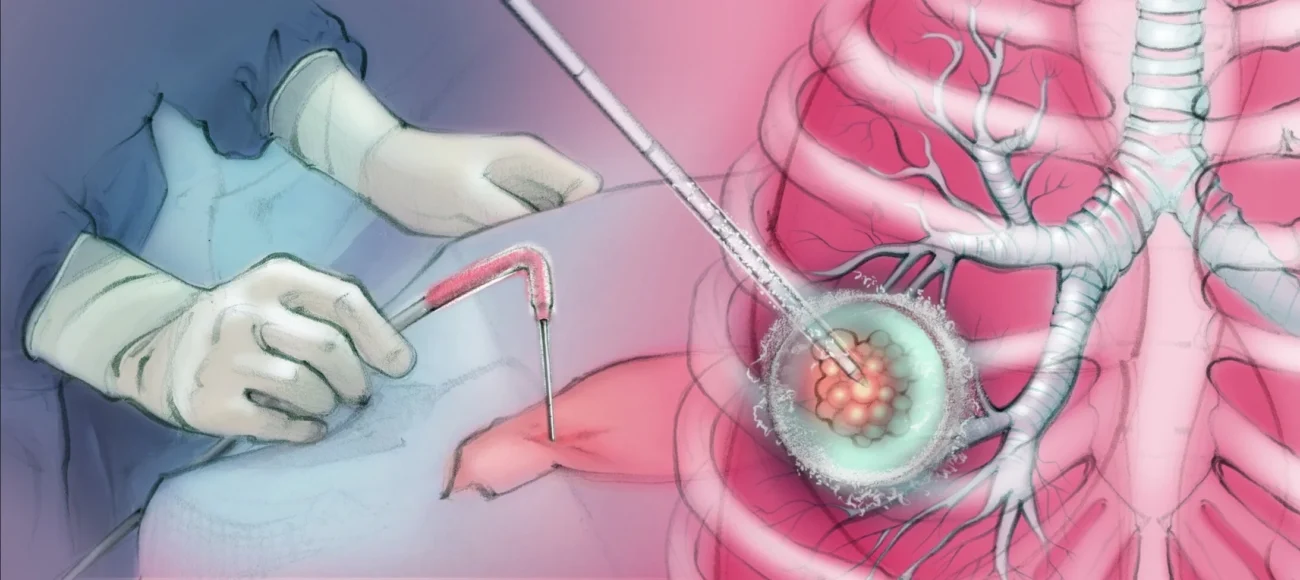
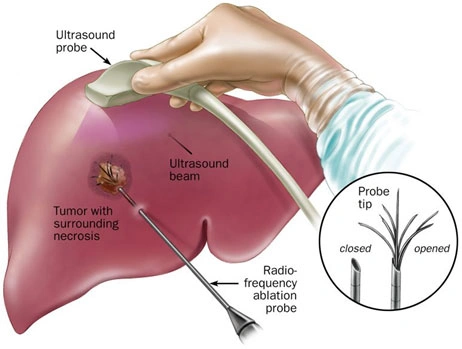
Tumor ablation is a minimally invasive procedure used to destroy cancerous tumors using heat, cold, or other energy sources. A thin probe is inserted through the skin directly into the tumor using imaging guidance.
Common types of ablation include:
Radiofrequency Ablation (RFA)
Microwave Ablation
Cryoablation
Conditions Treated
Tumor ablation is commonly used to treat tumors in:
Liver
Kidney
Lung
Bone
Benefits
Minimally invasive
No large surgical incision
Short hospital stay
Faster recovery
Can be repeated if necessary
Transarterial Chemoembolization (TACE)
What is TACE?
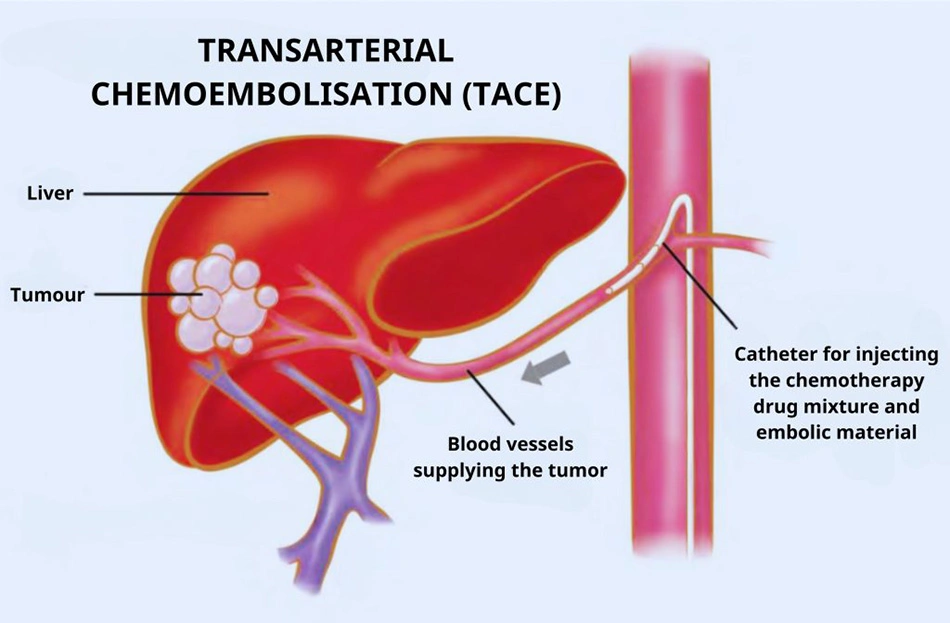
Transarterial Chemoembolization (TACE) is a targeted cancer treatment that delivers chemotherapy directly to a tumor through its blood supply.
A catheter is inserted into an artery and guided to the tumor. Chemotherapy drugs combined with embolic particles are injected to both attack the cancer cells and block their blood supply.
Commonly Used For
Liver cancer (hepatocellular carcinoma)
Liver metastases from other cancers
Benefits
Higher concentration of chemotherapy delivered to tumor
Reduced side effects compared to systemic chemotherapy
Minimally invasive treatment
Transarterial Radioembolization (TARE)
What is TARE?
Transarterial Radioembolization (TARE) is a targeted radiation therapy used to treat liver tumors. Tiny radioactive beads (usually containing Yttrium-90) are delivered through the blood vessels directly to the tumor.
These microspheres release radiation that destroys cancer cells while sparing surrounding healthy tissue.
Advantages
Precise tumor targeting
Minimally invasive
Effective for advanced liver tumors
Outpatient or short hospital stay
Portal Vein Embolization (PVE)
What is Portal Vein Embolization?
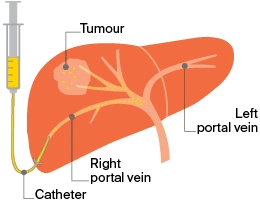
Portal Vein Embolization (PVE) is a procedure performed before major liver surgery. It blocks the blood flow to the diseased portion of the liver, allowing the healthy portion to grow larger before surgery.
This helps improve surgical safety and reduces the risk of liver failure after tumor removal.
Why It Is Performed
To prepare patients for liver tumor surgery
To increase the size of the healthy liver segment
To improve surgical outcomes
Pre-Surgical Embolization
What is Pre Surgical Embolization?
Pre-surgical embolization is performed before certain tumor surgeries to reduce blood flow to the tumor. By blocking the tumor’s blood supply, the procedure helps minimize bleeding during surgery.