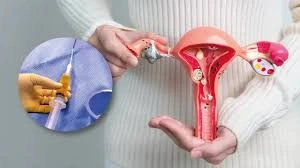
Women can experience several health conditions related to the uterus, pelvic veins, and reproductive system that may cause pain, heavy bleeding, or other complications. Interventional Radiology offers minimally invasive treatments that provide effective alternatives to traditional surgery.Using advanced imaging technologies such as ultrasound, fluoroscopy, and CT guidance, specialists can perform procedures through small catheters inserted into blood vessels, reducing recovery time and minimizing complications.
Our Women’s Health treatments include:
Uterine Fibroid Embolization (UFE)
Pelvic Congestion Syndrome Treatment
Uterine Artery Embolization (UAE) for PPH and PAS
Fallopian Tube Recanalization (FTR)
Sclerotherapy for IVF
These procedures help manage symptoms, preserve fertility when possible, and improve overall quality of life.
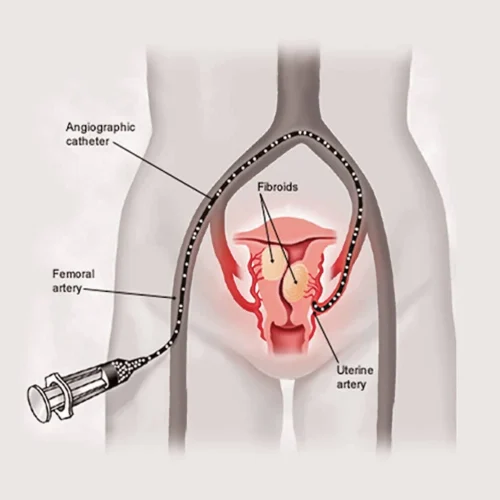
UFE – Uterine Fibroid Embolization
What are Uterine Fibroids?
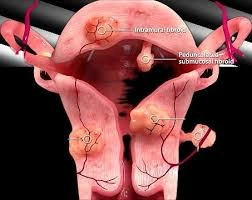
Uterine fibroids are non-cancerous growths in the uterus that commonly affect women during reproductive age.
Common Symptoms
Heavy menstrual bleeding
Pelvic pain or pressure
Frequent urination
Abdominal swelling
Fertility problems
What is UFE?
Uterine Fibroid Embolization is a minimally invasive procedure that blocks the blood supply to fibroids, causing them to shrink and relieving symptoms.
Benefits
No major surgery
Preserves the uterus
Short hospital stay
Faster recovery compared to hysterectomy
Pelvic Congestion Syndrome
What is Pelvic Congestion Syndrome?
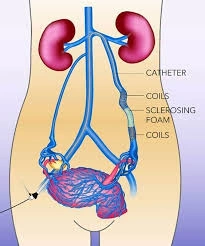
Pelvic Congestion Syndrome (PCS) occurs when pelvic veins become enlarged and congested, similar to varicose veins. This condition can cause chronic pelvic pain.
Symptoms
Chronic pelvic pain
Pain during or after intercourse
Heaviness in the pelvic area
Worsening pain after standing for long periods
Treatment
Interventional Radiologists treat PCS by embolizing the affected pelvic veins, blocking abnormal blood flow and relieving pain.
What is UAE?
Uterine Artery Embolization is a procedure used to control severe uterine bleeding by blocking the arteries supplying the uterus.
Conditions Treated
Postpartum Hemorrhage (PPH) – Severe bleeding after childbirth
Placenta Accreta Spectrum (PAS) – Abnormal attachment of the placenta to the uterus
Benefits
Life-saving treatment for severe bleeding
Minimally invasive procedure
Helps preserve the uterus in many cases
Rapid bleeding control
Fallopian Tube Recanalization (FTR)
What is FTR?
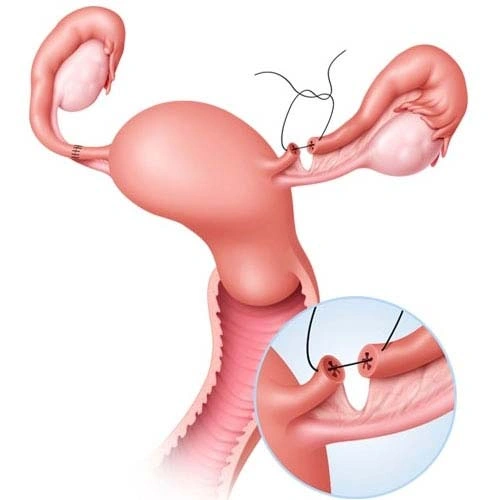
Fallopian Tube Recanalization is a minimally invasive fertility procedure used to open blocked fallopian tubes.Blocked tubes can prevent eggs from reaching the uterus, making pregnancy difficult.During the procedure, a small catheter is guided through the uterus to the fallopian tubes to clear the blockage and restore normal flow.
Benefits
Minimally invasive fertility treatment
No surgery required
Short procedure time
Can improve chances of natural pregnancy
Sclerotherapy for IVF
What is Sclerotherapy?
Sclerotherapy is a procedure used to treat ovarian cysts or fluid collections that may interfere with fertility treatments such as IVF.During the procedure, a special solution is injected into the cyst to shrink it and prevent recurrence.