Venous diseases occur when the veins that carry blood back to the heart become blocked, damaged, or weakened. These conditions can lead to swelling, pain, blood clots, or circulation problems.Interventional Radiology offers advanced minimally invasive treatments for venous disorders using image-guided techniques. Through small catheter-based procedures, doctors can treat blocked or damaged veins without the need for major surgery.
Our venous treatment services include:
Deep Vein Thrombosis (DVT) Treatment
Pulmonary Thromboembolism (PTE) Management
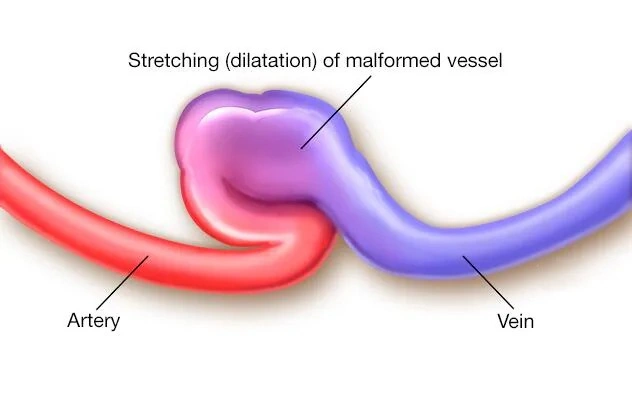
Arteriovenous Fistula (AVF) Plasty
Varicose Vein Treatment
Central Venous Occlusion Treatment
These procedures help restore normal blood flow, prevent complications, and improve patient quality of life.
Deep Vein Thrombosis (DVT)
What is DVT?
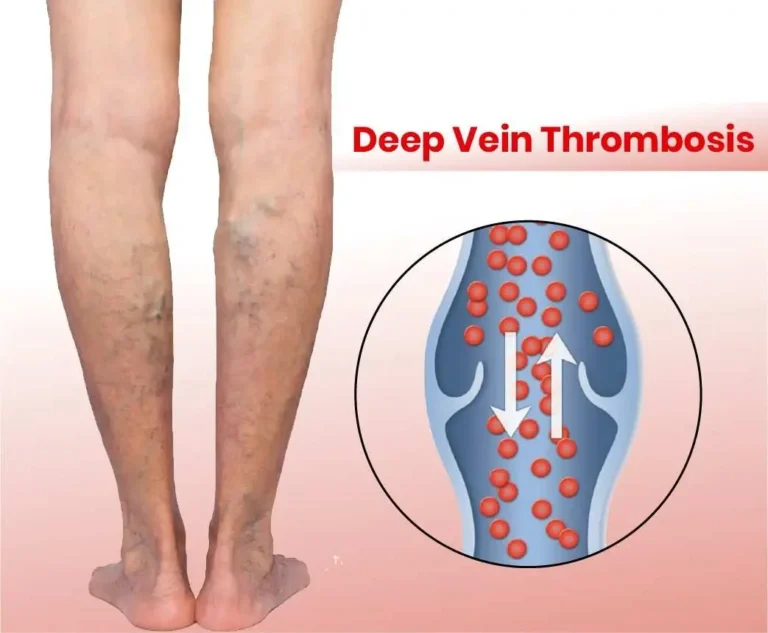
Deep Vein Thrombosis occurs when a blood clot forms in a deep vein, usually in the legs. If untreated, the clot can travel to the lungs and cause serious complications.
Treatment
Interventional radiologists can remove or dissolve clots using catheter-directed thrombolysis or thrombectomy, restoring blood flow and reducing complications.
Symptoms
Swelling in the leg
Pain or tenderness
Warm or discolored skin
Leg heaviness
Pulmonary Thromboembolism (PTE)
What is PTE?
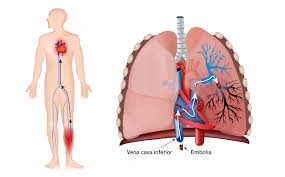
Pulmonary Thromboembolism occurs when a blood clot travels to the lungs, blocking pulmonary arteries and reducing oxygen supply.
Treatment
Minimally invasive procedures such as catheter-directed thrombolysis or clot removal can quickly restore blood flow and reduce life-threatening complications.
Symptoms
Sudden shortness of breath
Chest pain
Rapid heart rate
Coughing up blood
AVF Plasty (Arteriovenous Fistula Plasty)
What is AVF Plasty?
Arteriovenous fistulas are commonly created in patients undergoing hemodialysis for kidney disease. Over time, the fistula may become narrowed or blocked.AVF plasty is a procedure where a balloon catheter is used to widen the narrowed fistula, restoring proper blood flow for dialysis treatment.
Benefits
Maintains dialysis access
Minimally invasive procedure
Short recovery time
Improved dialysis efficiency
Varicose Veins
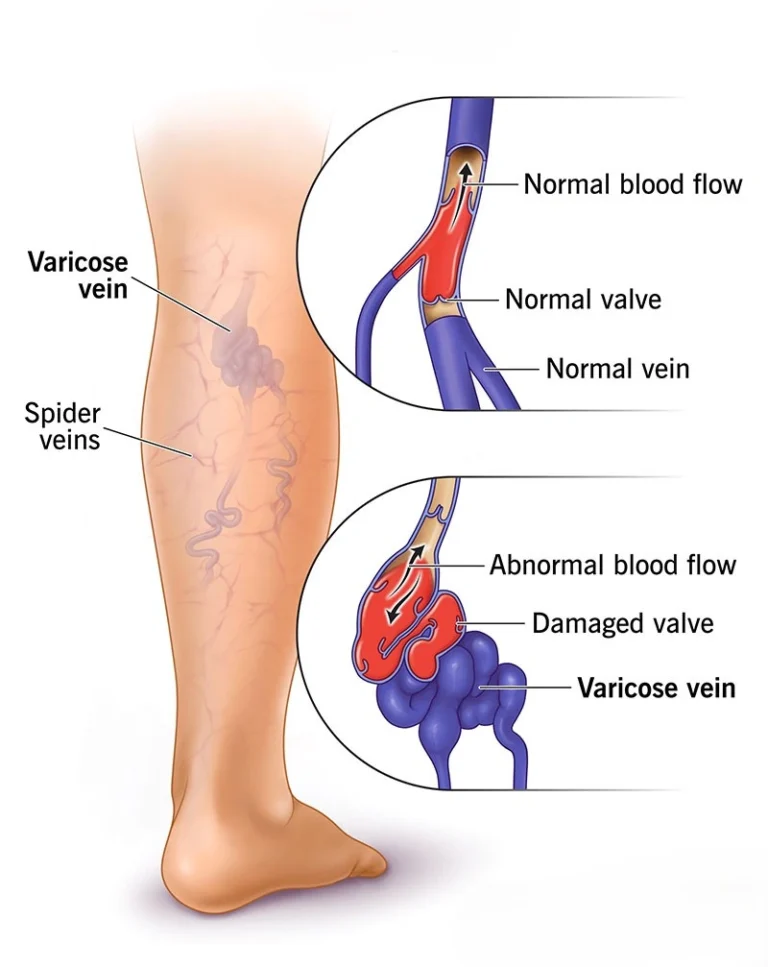
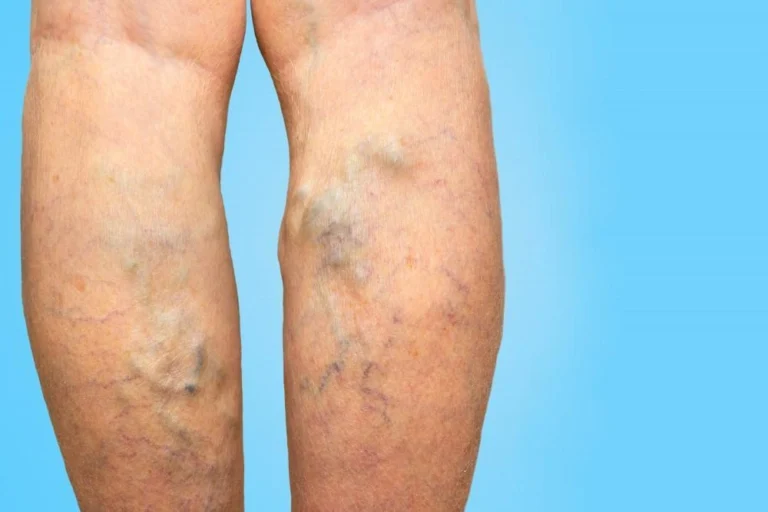
Varicose veins are swollen, twisted veins, usually visible under the skin of the legs. They occur when vein valves weaken and blood pools in the veins.
Our venous treatment services include:
Treatment Options
Endovenous laser therapy
Radiofrequency ablation
Sclerotherapy
Symptoms
Visible bulging veins
Leg pain or heaviness
Swelling in the legs
Skin discoloration
Central Venous Occlusion
What is Central Venous Occlusion?
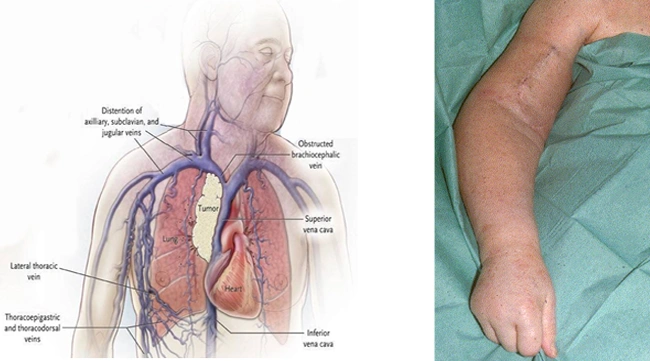
Central venous occlusion occurs when major veins in the chest become narrowed or blocked, often due to long-term catheter use or previous medical procedures.
Symptoms
Swelling in the face or arms
Prominent veins in the chest or neck
Difficulty with dialysis access
Treatment Options
Interventional radiologists can treat the condition using:
Balloon angioplasty to widen the vein
Venous stenting to keep the vein open
These procedures restore blood flow and relieve symptoms.