
Minimally Invasive Treatment for Varicocele Without Surgery
Varicocele Embolization is a minimally invasive, image-guided treatment for varicocele that can help relieve symptoms, improve blood flow, and address problems associated with enlarged veins around the testicle.
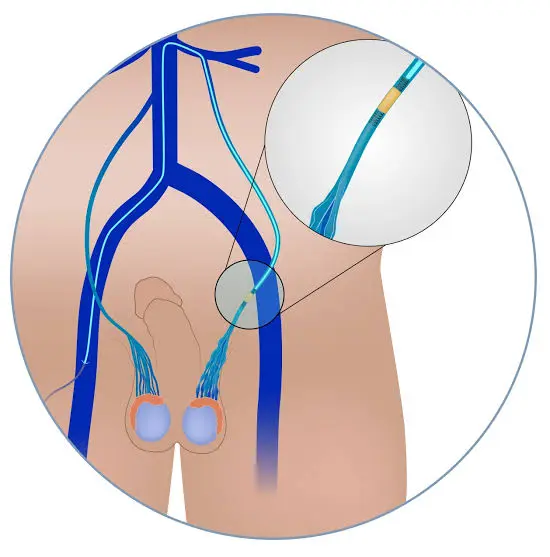
Unlike conventional surgery, embolization is performed through a tiny catheter inserted into a blood vessel, usually through a small puncture in the groin or arm. The abnormal veins are then blocked using specialized embolization materials, redirecting blood flow to healthy veins.
Dr. Vineeth Kurki provides image-guided minimally invasive vascular procedures with a focus on precise diagnosis, patient comfort, and personalized treatment planning.
What Is a Varicocele?
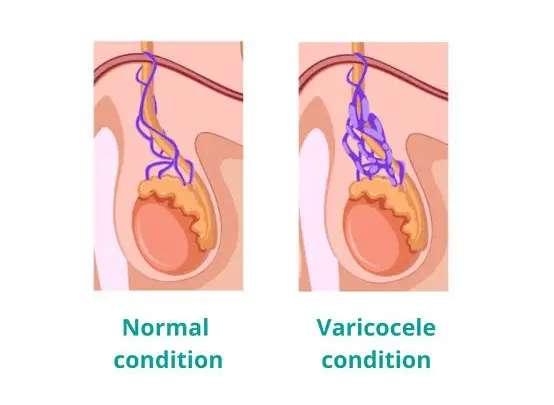
A varicocele is an enlargement of the veins within the scrotum. It commonly develops when blood does not flow properly through the veins that drain the testicles, causing blood to pool and the veins to become enlarged.
Varicocele may occur without symptoms, but some men experience:
- Dull or aching scrotal pain
- Heaviness or discomfort in the scrotum
- Enlarged or prominent scrotal veins
- Testicular size differences
- Reduced sperm quality
- Difficulty conceiving
- Discomfort that becomes worse after prolonged standing or physical activity
What Is Varicocele Embolization?
Varicocele embolization is a non-surgical procedure used to block the abnormal veins responsible for the varicocele.
During the procedure, an interventional radiologist guides a thin catheter through the blood vessels using real-time imaging. Once the abnormal veins are identified, tiny embolization materials are placed to stop abnormal blood flow through those veins.
The blood is then naturally redirected through healthy veins.
The procedure is generally performed under local anesthesia and does not require a large incision.
Benefits of Varicocele Embolization
Is Varicocele Embolization Painful?
Most patients experience little discomfort during the procedure because local anesthesia is used at the catheter entry site.
You may experience mild pressure or temporary discomfort during certain parts of the procedure. Some patients may have mild soreness after the procedure, which generally improves with recovery.
Your medical team will provide appropriate instructions for managing discomfort after treatment.
Recovery After Varicocele Embolization
- You may be observed for a short period.
- Keep the catheter entry site clean and dry as instructed.
- Avoid strenuous physical activity for the period recommended by your doctor.
- Follow medication instructions carefully.
- Attend your scheduled follow-up appointments.
- Contact your doctor if you develop unusual or worsening symptoms.
What Happens After Treatment?
After embolization, the treated veins remain blocked and the body gradually redirects blood through healthier venous pathways.
Follow-up may be recommended to evaluate:
- Improvement in symptoms
- The treated varicocele
- Testicular condition
- Semen parameters when fertility is a concern
- Any residual or recurrent abnormal blood flow
Improvement in fertility-related parameters, when it occurs, may take time and varies between patients.
Is Varicocele Embolization Safe?
Varicocele embolization is a minimally invasive image-guided procedure that is performed by trained specialists.
As with any medical procedure, potential risks exist. These may include:
- Temporary pain or discomfort
- Bruising or soreness at the access site
- Infection
- Bleeding
- Allergic reaction to contrast material
- Recurrence or persistence of varicocele
- Migration or other complications related to embolization materials, although uncommon
Why Choose Dr. Vineeth Kurki for Varicocele Embolization?
Choosing the right specialist is an important part of your treatment journey. Dr. Vineeth Kurki focuses on minimally invasive, image-guided procedures designed to treat vascular conditions while reducing the need for conventional surgery.
Frequently Asked Questions
No. Varicocele embolization is a minimally invasive, catheter-based procedure. A small puncture is used to access the blood vessel, rather than making a large surgical incision.
The duration can vary depending on the individual's anatomy and the complexity of the procedure. Your doctor can provide a more specific estimate after evaluation.
Treatment may improve semen parameters in appropriately selected patients with clinically significant varicocele, but results vary. Varicocele treatment does not guarantee pregnancy.
Recurrence or persistence is possible, although many patients have successful treatment. Your doctor can discuss the likelihood based on your venous anatomy and treatment.
Yes. In selected patients with recurrent varicocele after previous surgery, embolization may be considered as a minimally invasive treatment option.
Varicocele embolization is commonly performed as an outpatient procedure, although the exact plan depends on your medical condition and the facility where treatment is performed.
Recovery varies between patients. Many people can resume routine activities relatively quickly, but strenuous exercise and heavy lifting should be avoided until your doctor advises that it is safe.
The effect can vary between individuals. Your doctor will evaluate your testicular function and overall condition before recommending treatment.
No. Some varicoceles do not require treatment, particularly when they cause no symptoms or clinically significant problems. Treatment decisions depend on symptoms, fertility considerations, testicular changes, and other clinical factors.