

Uterine fibroids are common, non-cancerous growths that develop in or around the uterus. While some fibroids cause no symptoms, others can lead to heavy menstrual bleeding, pelvic pressure, pain, frequent urination, or fertility-related concerns. Because symptoms and fibroid characteristics vary from one person to another, treatment needs to be selected after proper evaluation.
For women researching Uterine Fibroid Treatment Without Surgery in Bengaluru, minimally invasive approaches such as uterine fibroid embolization (UFE) and selected ablation techniques may be discussed as alternatives to conventional surgery. The appropriate option depends on factors such as fibroid size, number, location, symptoms, age, reproductive plans, and imaging findings.
This guide explains the symptoms, causes, diagnosis, treatment approaches, benefits, recovery, and important considerations when exploring Uterine Fibroid Treatment Without Surgery in Bengaluru.
Symptoms and Causes of Uterine Fibroids
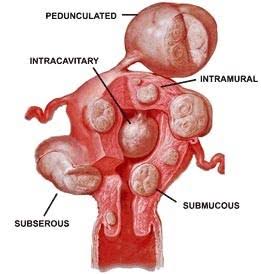
Fibroids can develop at different locations within or around the uterus. Some remain small and produce no noticeable symptoms, while larger or strategically located fibroids can interfere with daily life.
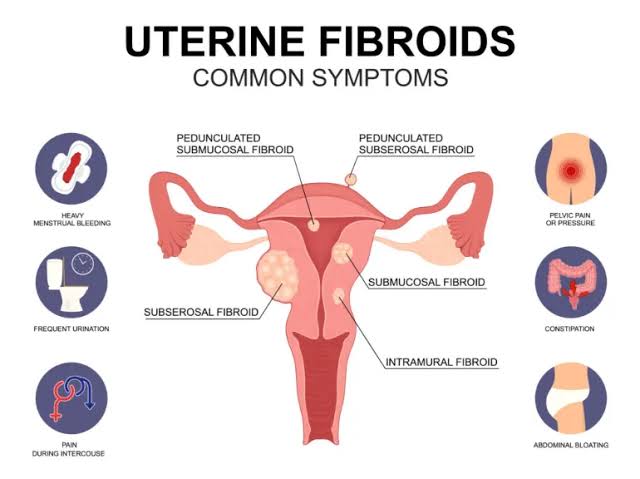
Common Symptoms
Women with symptomatic fibroids may experience:
- Heavy or prolonged menstrual bleeding
- Pelvic pain or pressure
- Painful periods
- Abdominal fullness or bloating
- Frequent urination due to pressure on the bladder
- Constipation when a fibroid presses against the bowel
- Lower back discomfort
- Pain during sexual intercourse
- Fatigue related to heavy menstrual bleeding and iron-deficiency anaemia
The symptoms do not always correspond directly to fibroid size. A relatively small fibroid in an important location may cause significant bleeding, while a larger fibroid may cause few symptoms.
Why Do Fibroids Develop?
The exact cause of uterine fibroids is not completely understood. Hormonal and genetic factors appear to play important roles. Fibroid growth is influenced by reproductive hormones such as oestrogen and progesterone.
Factors associated with fibroids can include age, family history, hormonal influences, and certain reproductive factors. Having one or more risk factors does not necessarily mean that a woman will develop symptomatic fibroids.
Women searching online for Uterine Fibroid Treatment Without Surgery in Bengaluru should first establish whether their symptoms are actually caused by fibroids rather than assuming that every heavy or painful period is related to them.
Diagnosis and Uterine Fibroid Treatment Without Surgery in Bengaluru
A proper diagnosis is the starting point for choosing an appropriate treatment. A doctor generally reviews the patient’s symptoms and medical history before recommending imaging or other investigations.
Clinical Assessment
The evaluation may include discussion of menstrual bleeding, pelvic pain, pressure symptoms, previous treatments, pregnancy plans, and other relevant medical history.
Ultrasound
Pelvic ultrasound is commonly used to identify fibroids and assess their number, size, and location. Depending on the clinical situation, transvaginal ultrasound may provide additional information.
MRI
Magnetic resonance imaging can provide more detailed information about the uterus and fibroids. It may be particularly useful when treatment planning requires precise assessment of fibroid location, size, vascularity, or relationship with surrounding structures.
Additional Tests
When heavy menstrual bleeding is present, blood tests may be recommended to check for anaemia. In selected patients, additional gynaecological investigations may be necessary depending on symptoms and age.
For someone considering Uterine Fibroid Treatment Without Surgery in Bengaluru, diagnosis should therefore be individualized rather than based solely on the size of a fibroid.
Treatment and Procedure Options
There is no single treatment that is appropriate for every woman with fibroids. Management can range from observation and medication to minimally invasive procedures or surgery.
Observation and Medical Management
Women with small, asymptomatic fibroids may not require an immediate procedure. Periodic clinical or imaging follow-up may be appropriate.
Medication can also help manage certain symptoms, particularly heavy menstrual bleeding and pain. However, medicines may control symptoms without eliminating the fibroid itself.
Uterine Fibroid Embolization
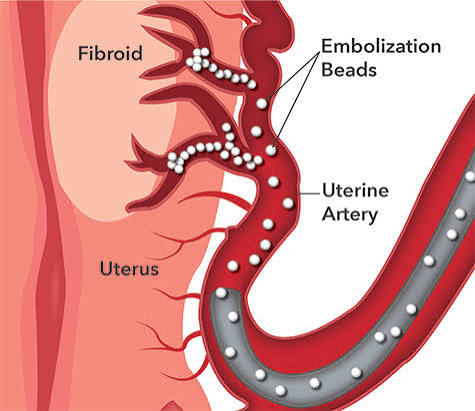
Uterine Fibroid Embolization (UFE) is a minimally invasive procedure performed by an interventional radiologist. During UFE, a catheter is guided through a blood vessel to the arteries supplying the fibroid. Small embolic particles are then delivered to reduce blood flow to the fibroid.
Over time, reduced blood supply can cause the fibroid to shrink and symptoms may improve.
UFE can be an option for selected women who have symptomatic fibroids and want to consider a uterus-preserving, minimally invasive treatment. Suitability depends on individual anatomy, fibroid characteristics, symptoms, and reproductive goals.
Uterine Fibroid Ablation
Uterine Fibroid Ablation uses energy to heat and destroy targeted fibroid tissue. Different technologies and approaches exist, and availability and suitability can vary.
Ablation may be considered for selected patients based on fibroid size, number, location, and other clinical factors. It is important to understand that not every fibroid is suitable for every ablation technique.
Patients looking for Uterine Fibroid Treatment Without Surgery in Bengaluru should therefore discuss the expected benefits, limitations, possible risks, and alternatives before selecting a procedure.
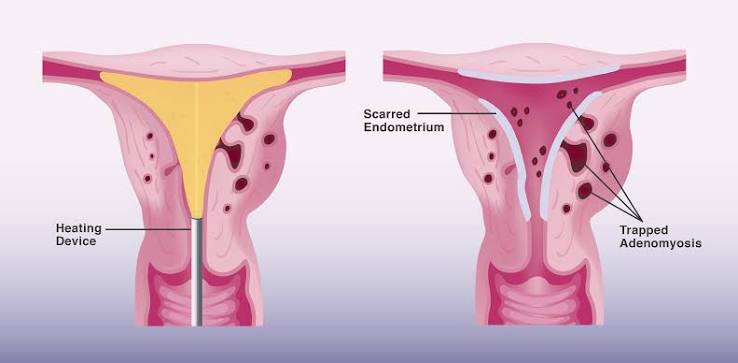
How the Treatment Is Selected
The choice between UFE, ablation, medication, monitoring, and surgery should be made after a comprehensive assessment.
Important considerations can include:
- Fibroid location and size
- Number of fibroids
- Severity of symptoms
- Previous treatment
- Overall health
- Future pregnancy plans
- Imaging findings
- Personal treatment preferences
Benefits, Recovery and Choosing a Specialist
The potential benefits of minimally invasive fibroid procedures depend on the specific technique and the individual patient.
Potential Benefits
Depending on the procedure and patient selection, minimally invasive treatment may offer:
- Smaller or no large surgical incision
- Reduced tissue disruption compared with open surgery
- Shorter recovery in some cases
- Treatment directed at symptomatic fibroid tissue
- Potential preservation of the uterus with selected procedures
These benefits should not be interpreted as guarantees. Every procedure has potential risks, and outcomes vary between patients.
Recovery After Treatment
Recovery depends on the treatment performed. After UFE, patients may experience pelvic cramping, tiredness, nausea, or mild fever-like symptoms for a short period. Pain management and post-procedure instructions are provided according to individual needs.
Recovery following ablation varies according to the technique used. Patients should follow their specialist’s instructions regarding activity, medications, follow-up appointments, and warning signs.
Anyone searching for Uterine Fibroid Treatment Without Surgery in Bengaluru should ask the treating team about expected recovery time rather than relying on general timelines found online.
UFE vs Ablation
| Factor | UFE | Fibroid Ablation |
| Basic approach | Reduces blood supply to fibroids | Uses energy to destroy targeted fibroid tissue |
| Procedure | Catheter-based | Technique varies by technology |
| Imaging guidance | Commonly used | Usually image-guided |
| Suitability | Depends on fibroid anatomy and symptoms | Depends strongly on fibroid characteristics |
| Recovery | Usually shorter than major open surgery | Varies by technique |
| Treatment decision | Individualized | Individualized |
If you are looking for uterine fibroid treatment near me in Bengaluru, choosing a specialist should involve more than just location. Your symptoms, fibroid size and location, imaging results, and overall health all play a role in determining the most appropriate treatment. A detailed consultation can help you understand whether embolization, ablation, medication, or another treatment approach may be suitable for you.
About Dr. Vineeth Kurki
Dr. Vineeth Kurki is an Endovascular Interventional Radiologist working in the field of image-guided, minimally invasive procedures. Interventional radiology uses imaging technologies such as ultrasound, CT, and fluoroscopy to guide procedures through small access points rather than relying on conventional open surgery. His publicly available professional content also describes experience with interventional procedures including embolization-based treatments.
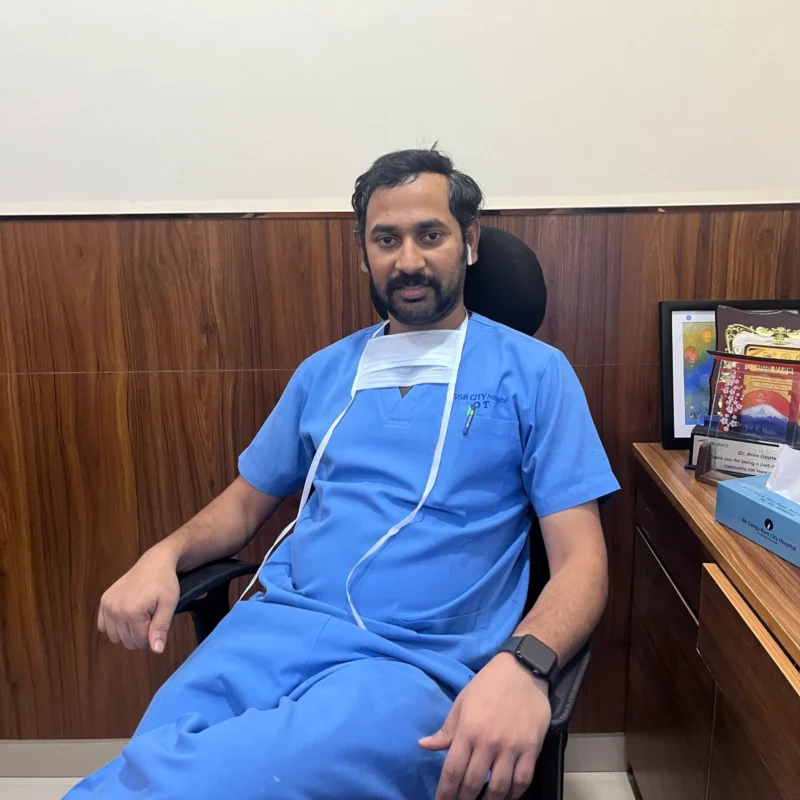
For women considering Uterine Fibroid Treatment Without Surgery in Bengaluru, consultation with an appropriately qualified specialist can help determine whether embolization, ablation, medical management, observation, or another approach is appropriate.
Frequently Asked Questions
1. Can uterine fibroids be treated without major surgery?
Yes, selected fibroids can be managed with minimally invasive procedures such as UFE or certain ablation techniques. However, suitability varies between patients.
2. What is Uterine Fibroid Embolization?
UFE is a catheter-based procedure that reduces blood flow to fibroids, which can cause them to shrink and may improve symptoms.
3. What is Uterine Fibroid Ablation?
Uterine Fibroid Ablation uses energy to destroy targeted fibroid tissue. The exact technique depends on the available technology and the patient’s fibroid characteristics.
4. Is UFE suitable for every woman?
No. Fibroid size, location, number, symptoms, medical history, and reproductive plans all need to be considered.
5. How are fibroids diagnosed?
Ultrasound is commonly used, while MRI may be recommended when more detailed imaging is required for diagnosis or treatment planning.
6. How long does recovery take after minimally invasive fibroid treatment?
Recovery varies according to the procedure and individual health. Your specialist can provide a more accurate timeline after evaluating your case.
7. Can fibroids come back after treatment?
Fibroid treatment does not necessarily prevent new fibroids from developing. Follow-up depends on the treatment and individual circumstances.
8. Should I choose UFE or ablation?
There is no universally appropriate option. The decision should be based on your fibroid characteristics, symptoms, reproductive plans, medical history, and specialist evaluation.
9. Where can I seek Uterine Fibroid Treatment Without Surgery in Bengaluru?
Patients can consult an experienced interventional radiologist or appropriate gynaecology specialist in Bengaluru for evaluation and treatment planning.
10. When should I see a doctor for fibroid symptoms?
Seek medical evaluation if you have unusually heavy periods, persistent pelvic pain, pressure symptoms, unexplained anaemia, or other symptoms affecting your daily life.
Conclusion
Uterine fibroids can affect women differently, and treatment should be based on an individual’s symptoms, fibroid characteristics, health status, and personal goals. Uterine Fibroid Treatment Without Surgery in Bengaluru may include minimally invasive options such as uterine fibroid embolization and selected ablation procedures, alongside medication, monitoring, and conventional surgical approaches when appropriate.
The most suitable treatment cannot be determined from symptoms alone. Proper imaging and specialist assessment are important before deciding between UFE, ablation, medication, observation, or surgery.
If you are considering Uterine Fibroid Treatment Without Surgery in Bengaluru, consult Dr. Vineeth Kurki, Endovascular Interventional Radiologist, for an individualized evaluation of your condition and discussion of appropriate image-guided treatment options. Interventional radiology can provide minimally invasive approaches for selected conditions, with treatment decisions based on each patient’s clinical and imaging findings.
Book an appointment with Dr. Vineeth Kurki to discuss your symptoms, diagnostic findings, and suitable treatment options for uterine fibroids.